
When someone has a brain injury, families often think the clinical needs are too complex for home. The equipment feels overwhelming, the support too intensive. Hospital or residential care seems like the only option.
Yet home is often where dignity is best preserved. We've provided brain injury support across Northern England for 15 years, and we've seen how familiar surroundings can make a real difference to someone's sense of control and independence.
Dignity after brain injury often comes down to small, daily choices. Getting up when you're ready rather than when the shift pattern dictates. Eating what you want when you want it. Deciding whether today's a day for going out or staying in. Family visiting without signing in at reception.
These aren't grand gestures - they're the small moments of control that help someone feel like themselves when everything else has changed
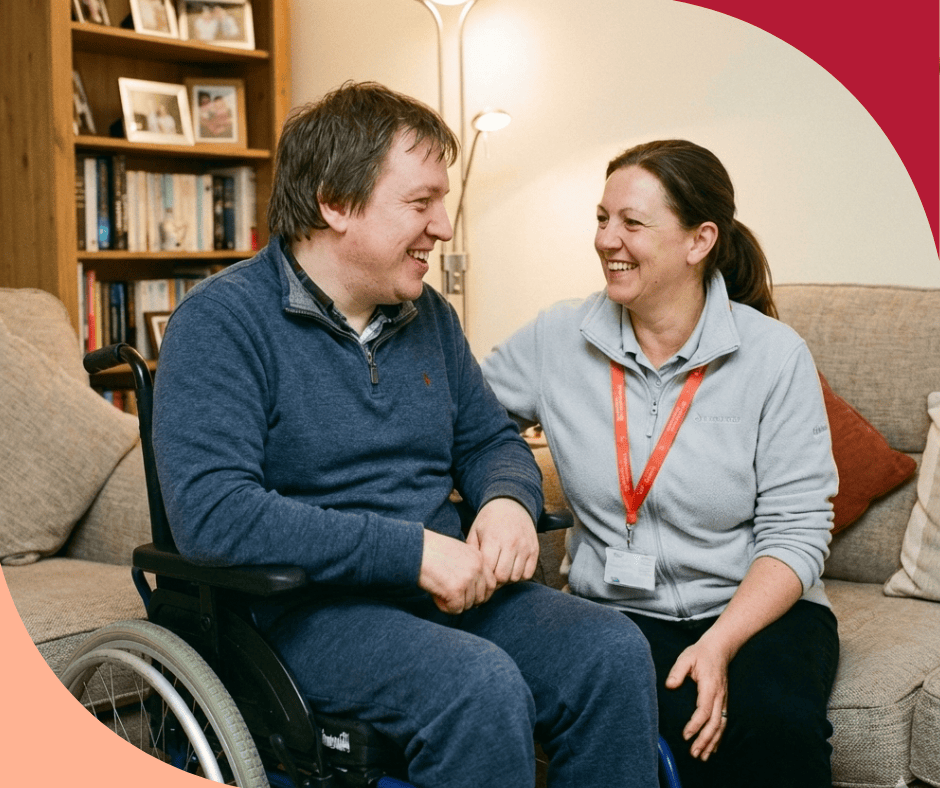
How Complex Clinical Care Works at Home
One of the biggest concerns families have is whether complex clinical needs can really be managed safely outside a hospital setting.
The answer is yes, with the right setup. Tracheostomy care, oxygen monitoring, enteral feeding, managing autonomic dysreflexia - these can all be delivered safely at home with proper training, equipment and clinical oversight.
Routes holds TDDI registration for complex care in home settings. Our registered nurses assess staff competency and provide regular clinical reviews to ensure safety and consistency. Because when clinical care is delivered confidently, it reduces anxiety for everyone involved. Someone can relax knowing their support worker understands their needs. Families can rest. That confidence is part of dignity too.
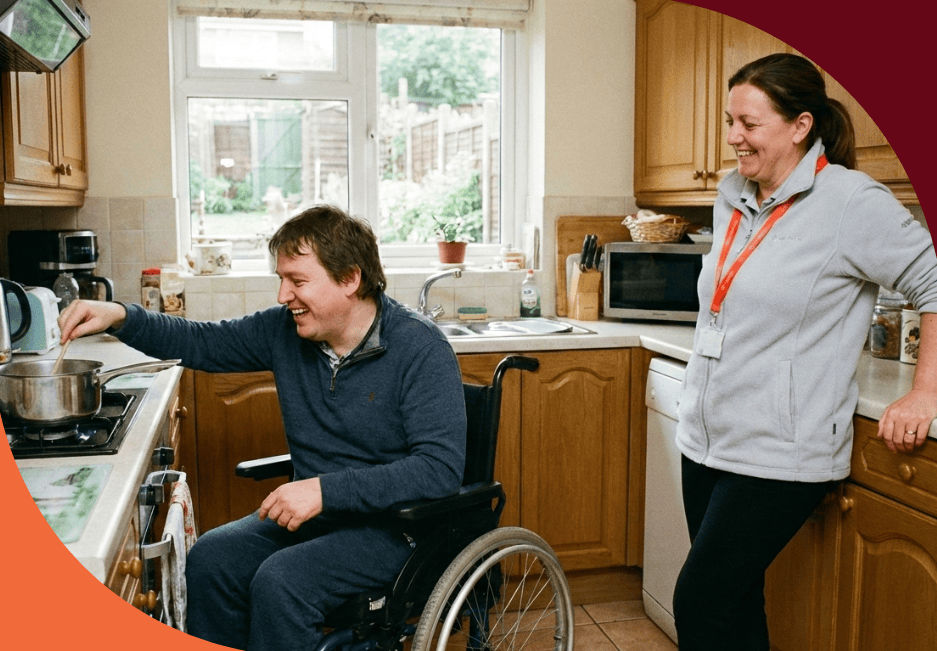
How Consistency Protects Dignity
Having to explain yourself over and over again - to different staff, on different shifts - is exhausting. Over time it chips away at the dignified support you'd want to expect from a professional care provider. That's why consistency matters so much.
The same support team learns how you communicate, whether that's eye gaze, hand signals, or verbal responses. They understand your routines and preferences. They know when you need space and when you need support. Training is specific to individual needs rather than generic courses. Support plans adapt when circumstances change. The focus is on enabling the life someone wants - continuing education, maintaining friendships, staying involved in their community - not just managing clinical needs.
Brain Injury Support Across Northern England
Home isn't always the right choice, but when it works, it often protects dignity better - your surroundings, your routines, people who adapt to you. Every individual's circumstances are different, and so will their support needs.
If you're a family member or case manager considering whether home-based support could work, our clinical teams can assess needs and talk through what your best options are and how we can help you thrive after injury. Contact our team on 0333 800 1379 or email enquiries@routeshealthcare.com.