
Once you've had the conversation about needing care, the next question is: what kind of care?
Home care isn't one-size-fits-all. The support someone needs can range from a short daily visit to help with getting dressed, through to a 24-hour live-in carer.
Understanding what's available helps you match the right level of support to your loved one's actual needs - not too little that they're struggling, and not more than they need or want.
Here's what home care actually means and what options are available in Knutsford and the surrounding villages including Mobberley, High Legh, and Over Peover.
What Is Home Care?
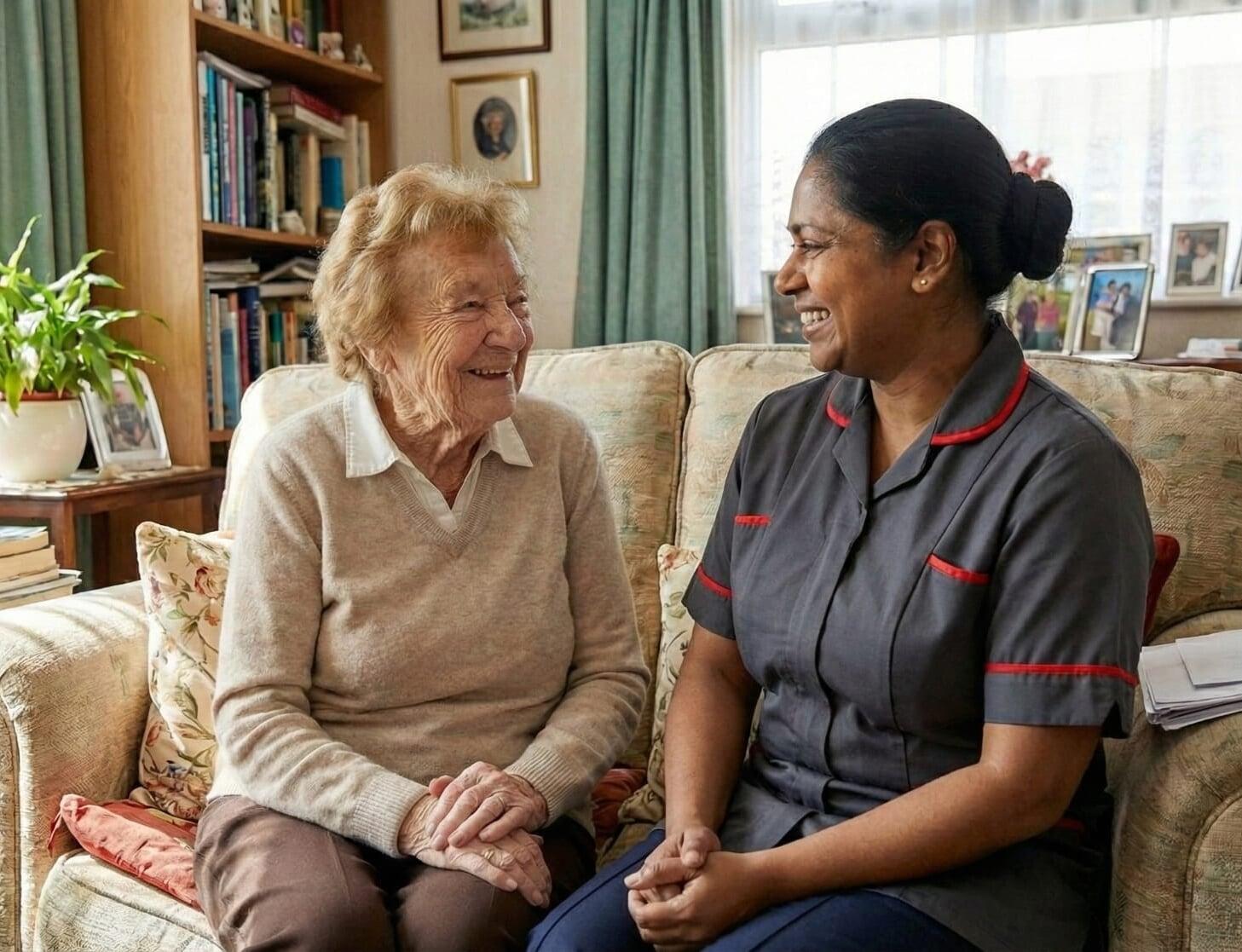
Home care means professional support delivered in your loved one's own home. It's designed to help people maintain their independence, stay in familiar surroundings, and continue living life on their terms.
The key word is support, not takeover. Good home care fills the gaps - helping with tasks that have become difficult or unsafe, while encouraging your loved one to do what they can for themselves. Care can be as little as one short visit a day, or as much as round-the-clock support. It's tailored to what each person needs.
Personal Care
Getting support at home with washing, dressing, and daily personal tasks helps people in Knutsford maintain their dignity and independence.
Personal Care includes:
- Help with washing, bathing, or showering
- Getting dressed and undressed
- Using the toilet
- Taking medication on time
- Moving around safely (transfers from bed to chair, help with walking)
- Eating and drinking if needed
Who it's for: People who are physically struggling with these tasks but don't need medical or specialist care. Maybe arthritis makes getting dressed painful, or balance issues make showering risky, or weakness means they need support getting in and out of bed.
How it works: Typically short visits (30 minutes to an hour) at specific times of day - often mornings and evenings when help is most needed. In Knutsford, personal care visits can be arranged to fit around your loved one's routine and preferences.
Companionship and Home Help
Getting support in Knutsford for companionship, errands, and housework can make a real difference to daily living and help reduce isolation.
Companionship and home help includes:
- Company and conversation
- Help with shopping and errands
- Meal preparation
- Light housework
- Reminders to take medication
- Support with hobbies and interests
- Getting to appointments or social activities
Who it's for: People who are physically managing but need company, help with household tasks, or support staying connected to their community. Loneliness is a genuine health risk, and regular companionship can make a real difference to wellbeing.
How it works: Visits can be anything from an hour to several hours, as often as needed. Some people have daily visits, others a few times a week. Carers can help with trips into Knutsford town centre, visits to local groups, or simply provide regular company at home.
Live-In Care
Having a dedicated carer stay in your loved one's Knutsford home provides 24-hour support and peace of mind.
Live-In Care includes:
- A dedicated carer living in the home
- Support throughout the day and night
- Help with all personal care, meals, medication
- Companionship and engagement
- Peace of mind that someone is always there
Who it's for: People who need frequent support throughout the day, or whose family are worried about them being alone, particularly overnight. This might be someone at high risk of falls, with advanced dementia, or recovering from hospital who need intensive support.
How it works: One carer stays in the home, typically working a week or two-week rotation before being replaced by another carer. They have their own bedroom and downtime, but are there when needed.
It's more expensive than visiting care, but often more cost-effective than a care home and allows your loved one to stay at home in Knutsford rather than moving to a residential facility.
Dementia Care at Home
Specialist dementia care in Knutsford provides trained support for people living with dementia, Alzheimer's, or other forms of memory loss at home.
Dementia Care includes:
- Carers trained in dementia care techniques
- Support with daily routines and maintaining familiarity
- Help with communication as language abilities change
- Managing confusion, anxiety, or distressing behaviour
- Keeping your loved one safe at home
- Supporting meaningful activities and engagement
- Working with family to understand changing needs
Who it's for: People diagnosed with dementia, Alzheimer's, vascular dementia, or other memory conditions who want to stay at home. Dementia care can start early when support needs are minimal, and increase as the condition progresses.
How it works: Care is personalised to where your loved one is in their dementia journey. Early stages might mean companionship visits to reduce anxiety and maintain routines. Later stages might need more frequent or longer visits for personal care, safety supervision, and reassurance.
Carers receive specific dementia training and understand how to communicate effectively, reduce distress, and work with families through the challenges dementia brings.
End of Life Care
End of life care in Knutsford allows people to spend their final weeks or months at home, surrounded by family, with dignity and comfort.
What it includes:
- Palliative care focused on comfort and quality of life
- Pain management and symptom control
- Personal care delivered with gentleness and respect
- Emotional support for the person and their family
- Overnight care if needed
- Coordination with hospice teams, GPs, and district nurses
- Support for families through a difficult time
How to Decide the Best Care Option for Your Loved One
Choosing the right level of care depends on:
- Safety concerns: Are there risks if your loved one is alone? Falls, medication errors, getting lost?
- Physical capability: What can they manage independently? What's become difficult or exhausting?
- Health conditions: Do they have medical needs that need support?
- Mental wellbeing: Are they isolated? Anxious? Would regular company help?
- Family support: How much can family realistically provide? Is it sustainable long-term?
Be honest about what's manageable. Many families in Knutsford start with minimal care and increase it as needs change. That's normal and expected.

Care Can Change as Needs Change
You're not locked into one level of care forever. As your loved one's needs increase or decrease, care can adapt.
Someone might start with one morning visit for personal care, add companionship visits as isolation becomes a concern, then move to more frequent care as mobility declines. Or they might need intensive support after a hospital stay, then reduce as they recover. Good providers build flexibility into care plans and review regularly to make sure support still matches needs.
Next Steps
Hopefully this gave you some insight into the types of home-based care available in Knutsford and which might suit your loved one's needs. If you'd like to talk about your care options with a member of our care team, you can call our Knutsford-based care manager Harriet on 07455 837 112 or emailharrietwoodcock@routeshealthcare.com.