
Winter is tough. The cold seeps into your bones, mornings are darker, and even popping to the shops means navigating icy pavements and carrying heavy bags back. When you're managing at home, these challenges aren't just inconvenient - they can affect your health, safety, and wellbeing.
Falls are more common in winter. Cold homes lead to illness. Isolation creeps in when it's easier to stay indoors than face the weather. But there are practical steps you can take to stay safe, warm, and well at home during the coldest months.
Keep Yourself Warm Indoors
It sounds obvious, but many people try to save on heating costs by keeping their homes too cold. Your main living areas should be at least 18°C - any colder and you're at higher risk of chest infections, flu, and falls.
Layer up with cardigans, warm socks, and keep a blanket by your chair. Have the heating on when you need it. If you're worried about energy costs, check what support is available - the Warm Home Discount, Winter Fuel Payment, or local council schemes might help.
Being cold isn't just uncomfortable. It makes your joints stiffer, your immune system weaker, and increases the risk of serious health problems. Staying warm is essential, not a luxury.
Take Your Time in the Mornings
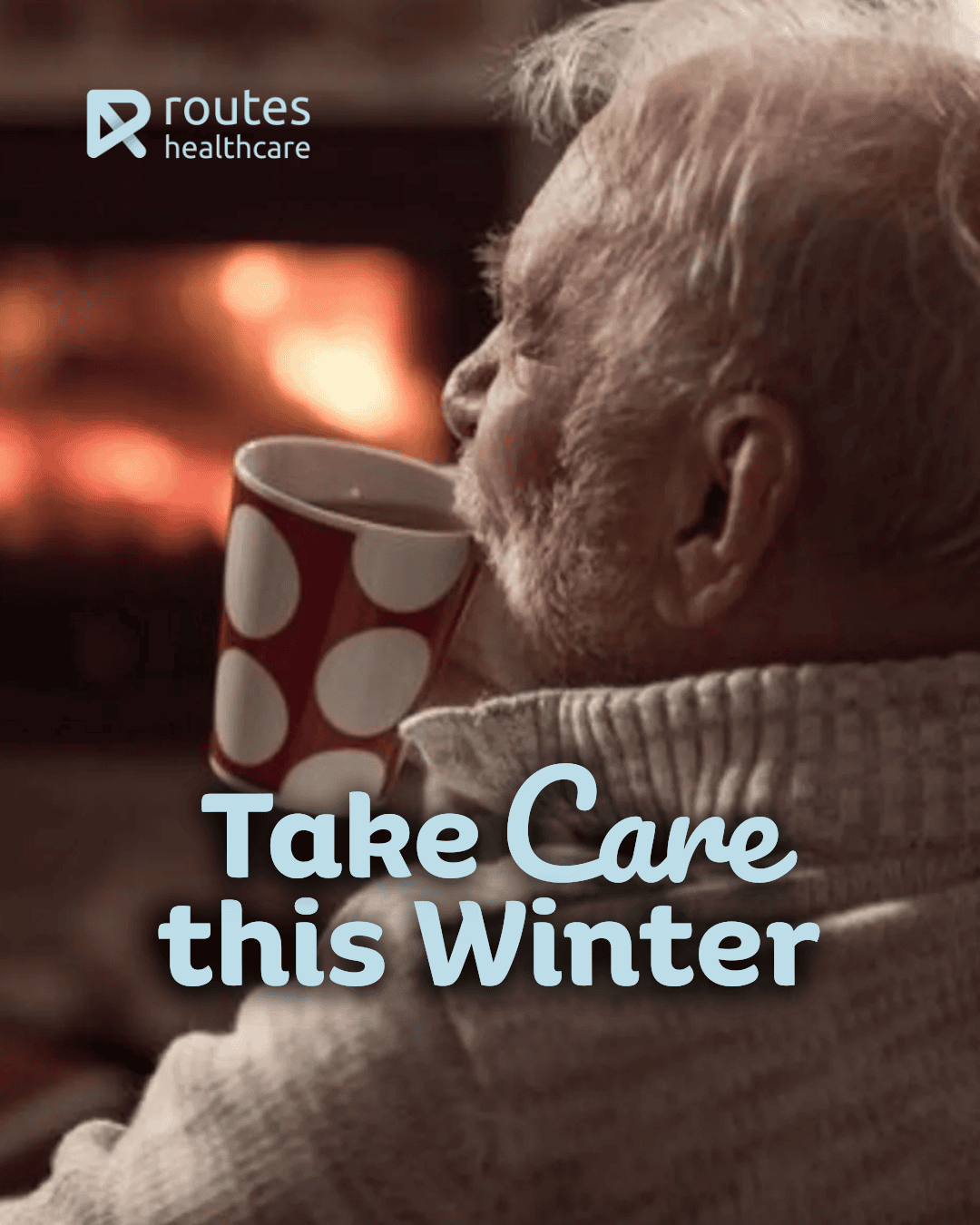
Cold weather affects your body. Joints are stiffer, muscles take longer to warm up, and getting out of bed on a freezing morning is genuinely harder. Give yourself extra time. Have your cup of tea before you do anything else. Get dressed slowly. Don't rush yourself if you don't have to. Your body needs longer to get going in winter, and pushing through too quickly increases your risk of falls or strains.
If mornings feel overwhelming, that's worth paying attention to. It might be a sign you need some support to start the day safely.
Get Help with Shopping and Outdoor Tasks
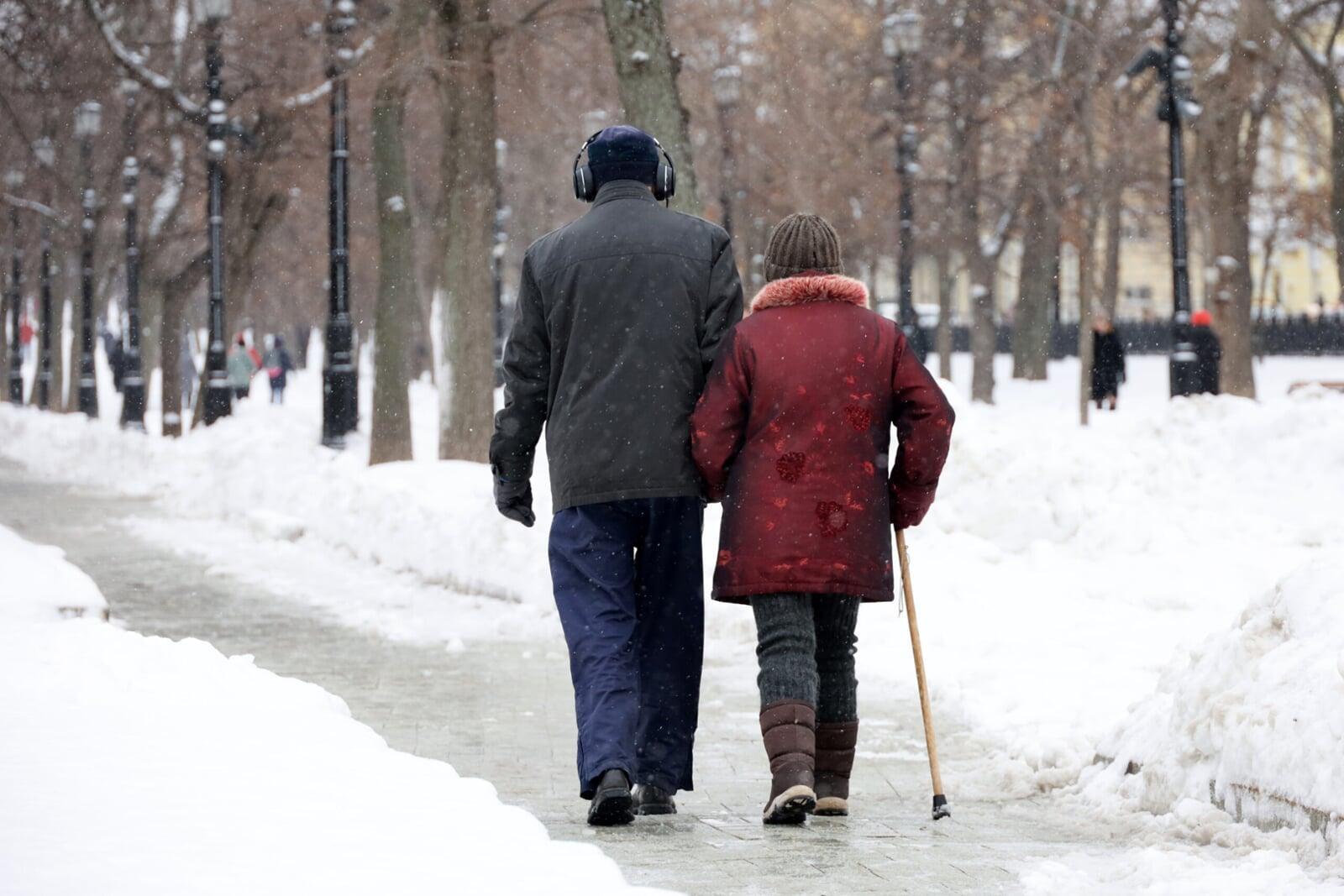
Black ice is invisible. Wet leaves on pavements are slippery. Heavy shopping bags throw off your balance. A fall on frozen ground can mean hospital, broken bones, and a long recovery.
If pavements look risky, don't chance it. Ask a family member, neighbour, or friend to do your shopping. Get someone to come with you if you need to go out. Online delivery services are worth considering too.
This isn't about being overly cautious. Falls in winter are common, and the consequences can be serious. Accepting help with outdoor tasks when conditions are dangerous is sensible, not weak.
Keep Your Phone Charged and Close By
If you're on your own and something happens - a fall, feeling unwell, chest pains - you need to be able to call for help quickly.
Keep your phone charged and within easy reach, especially overnight. If you struggle with a mobile, consider a personal alarm system that connects you to emergency services at the press of a button.
Nobody wants to think about worst-case scenarios, but being prepared means you can get help fast if you need it. That peace of mind matters.
Talk to Someone Regularly
Winter days are long and dark. It's easier to stay indoors, but then you realise you haven't spoken to anyone properly in days. Isolation affects your mood, your motivation, and your overall wellbeing.
A phone call to family. A chat with a neighbour. Even a quick text exchange. Regular contact with people helps you feel connected and means someone will notice if you're struggling.
If you're finding winter lonely, that's not something to push through alone. Reach out. Let people know you'd appreciate more regular contact. Loneliness isn't trivial - it affects your mental and physical health.
Have Regular Hot Meals and Drinks
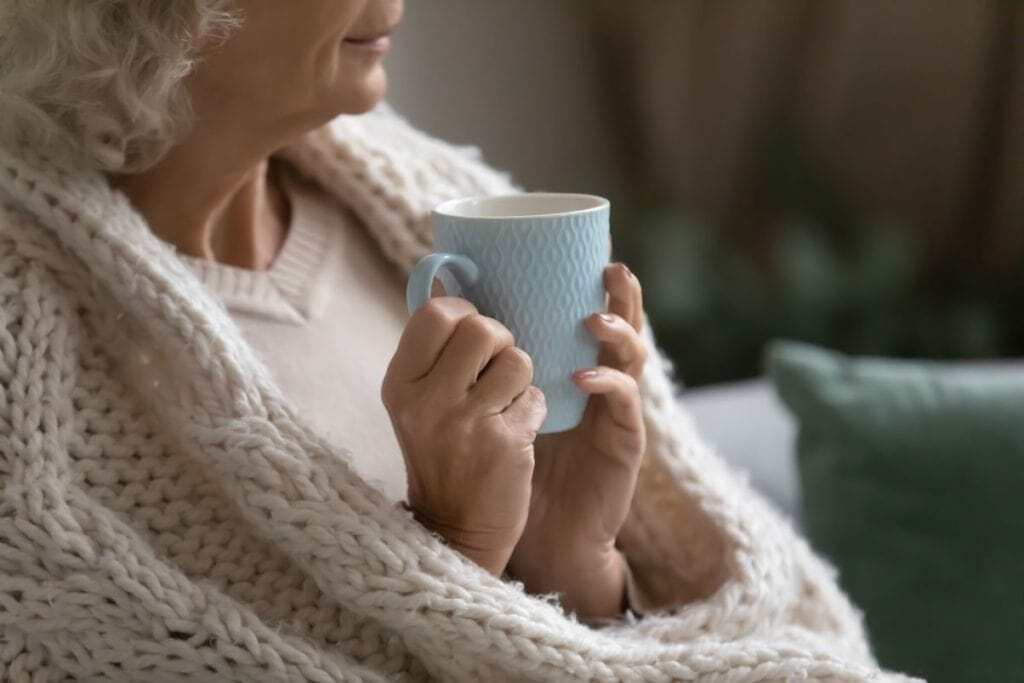
Your body burns more energy keeping warm in winter. Skipping meals or not drinking enough leaves you weaker, colder, and more vulnerable to illness.
Soup, porridge, stews, hot tea - regular hot food and drinks throughout the day help maintain your body temperature and energy levels. If cooking feels like too much effort on some days, that's worth noting. Struggling with basic tasks like preparing meals might mean you need some support.
Eating well isn't just about nutrition. It's about giving your body the fuel it needs to cope with winter.
When to Ask for Help
If any of these things feel difficult - staying warm, managing mornings, getting shopping done, preparing meals - that's not failure. It's winter making life harder, and there's support available.
Home care can help with the specific tasks that are wearing you out, so you've got energy left for what matters to you. Getting ready in the morning, help with shopping, preparing meals, companionship - whatever would make winter more manageable.
Independence isn't about doing everything yourself. It's about staying in control of your life at home, with support where you need it.
Final Thoughts
Winter is hard, but these practical steps can help you stay safe and well at home. Keep warm, take your time, accept help where you need it, and stay connected with people.
If you're finding it tough, or you're worried about managing safely this winter, we're here to talk. Call us on 0333 800 1379 or contact us online to find out how home care could help you stay independent and comfortable at home this winter.